
Welcome to the Life of a Blonde!

 Being blonde and a girl defines someone that is just asking for stereotypical jokes to be made. But hey, who wouldn't love those jokes? I personally can never get enough of those dumb blonde jokes, they're awesome!

Along with all these great assumptions about a blonde's intelligence is the lovely physical expectations that come along with it. We're expected to be things like tall, skinny, pretty, and etc., and all that sounds easy enough! While many just make the jokes because society has adapted to their common use, they're not always meant to be taken seriously. However with tv shows, newspapers, movies, and so on normalizing these jokes, their existence remains entitled. For example, some our favorite tv shows and movies like Friends, Mean girls, or Legally Blonde all objectify and portray how blondes are idealized due to their looks because they lack "intelligence". So therefore a blonde is expected to be carried through life by their physical aspects instead of their intellectual background. And who wouldn't love to be objectified by their looks? I don't know about you but I'd rather be judged by my looks over my brains any day. When someone has a poor intellectual moment, they're told they've had a "blonde moment". What a lovely saying and I can proudly say that I very much enjoy falling under this category. 
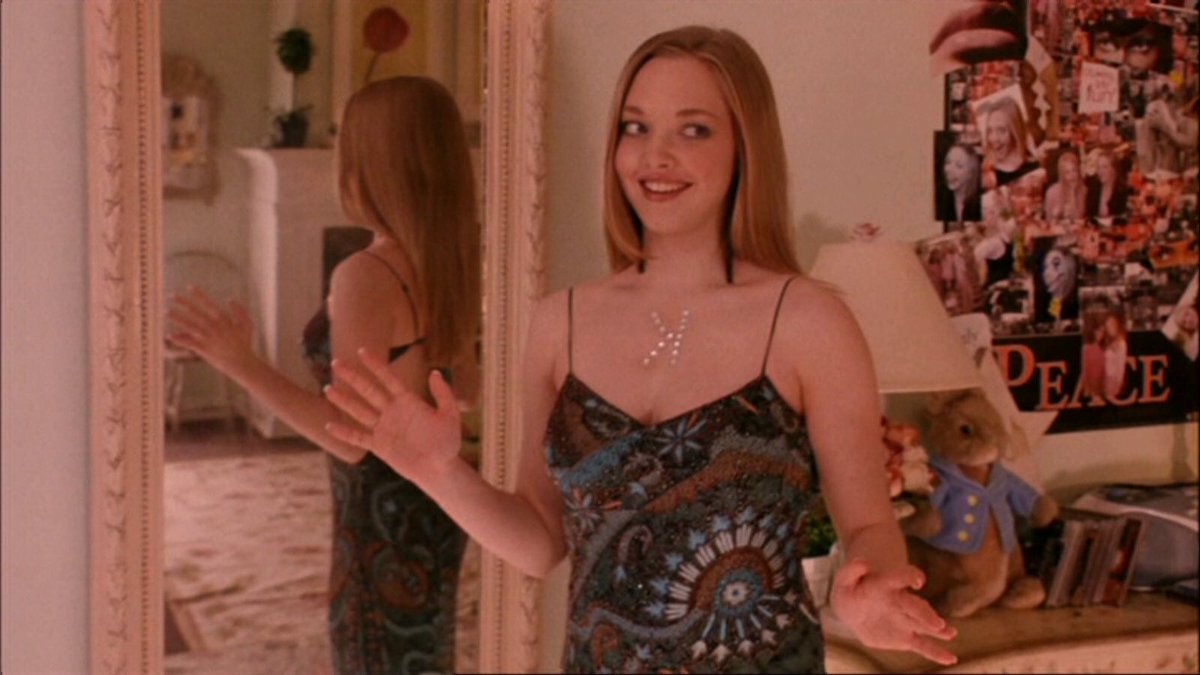
Michelle Therese on Twitter: "All I think about seeing the backwards K is  Karen from mean girls. #KingOfHearts2017… "

While many blonde jokes don't always carry a purposeful demeaning intention behind them when they're used, they'll always be super appreciated! And let me tell you that they are always hilarious especially to us blondes. If my brains don't take me places, at least I'll have these amazing stereotypes, right? 

Comments

Popular posts from this blog

What's So Great About Poetry?

Poetry- the unit that most students dread to learn about in their English class. But why is poetry so disliked among high school students? A few of these reasons, and that I can attest for personally, are that poetry is seen as old, it can be quite difficult to understand/interpret, and we just fail to see the point of it. However, after interpreting some poems in class, my perspective began to shift (only slightly not significantly though). While I am still not the biggest fan of poetry, I am beginning to see a different side to it.  Yes, poetry is all of the negative things that I stated above (at least in my opinion) but once poetry is understood, the lesson becomes that much clearer and applicable. Understanding and correctly interpreting poetry is not only a beneficial skill to have but it also opens your eyes to a deeper understanding to things that are important in terms of culture, history, and etc. For example, poetry has effectively been used to advocate and teach about i...

Everlasting Mistakes: America Never Seems to Learn

America is essentially naive. We take what we want and we take what we have for granted. If something is going to propel our status up, whether it's for wealth, our social lives, or just out of selfishness, we don't seem to even hesitate to act. As we observe in Raymo's piece, the act of selfishness and naiveté is what drives their decisions, and eventually, will lead to their own death. The piece takes place in 1987, which is only around 25 years from when we learned how harmful cigarettes actually were. Just like in Raymo's piece when the six-year-old girl "rubbed the glowing dust on her body" not knowing that the "beautiful dust" would "damage her living cells" (Raymo 212) and kill her, our society did something quite similar and acted out of same naiveté. We did the same thing with tobacco and cigarettes and blindly rushed into using them because "they were cool" and "the new thing". Then once it was already too late...

"How Are You?" (I don't actually care though)

When we talk to people, we always seem to start our conversations with phrases such as, "how are you?" or "what's been going on with you lately?". But what is the purpose to asking these questions if the responses that we get back essentially don't mean anything to us? What are we getting from one-word answers like "good", "I'm fine", or just "yeah"? By nature, we ask these questions without actually caring about what the person answers back to us. However, I actually believe that these questions are of crucial use to us. For example, when your parents force you to meet someone like their "high school friend" and all you have to do is be polite, these questions are quite handy. You're able to fill awkward time and be polite at the same time. While it might seem cold-hearted to think this way, in reality, everyone does it. On the other hand, I'm sure there are some people who are asking these questions to ...